Physical Address
304 North Cardinal St.
Dorchester Center, MA 02124
Physical Address
304 North Cardinal St.
Dorchester Center, MA 02124

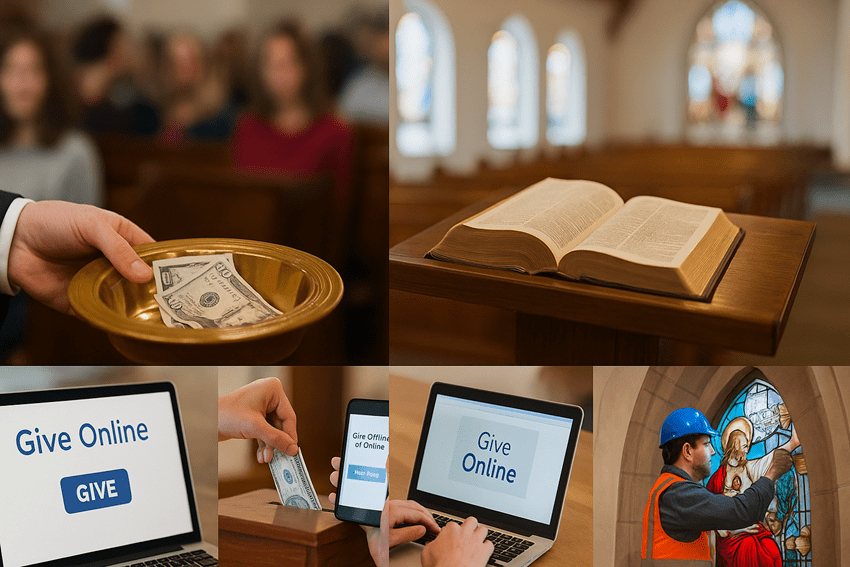
Church giving refers to the financial contributions people donate to their church community. These gifts can come in various forms – from regular tithes given during weekly services to special offerings or one-time donations for specific needs. Many Christians view giving as part of their worship and discipleship, reflecting generosity and gratitude for what God has provided. Contributions may come from both church members and outside supporters, all directed toward sustaining the church’s ministry and mission.
Church giving is crucial for sustaining the church’s mission and day-to-day operations. Members’ donations fund everything from weekly worship services and staff salaries to community programs and outreach to those in need. In fact, without the faithful tithes and offerings of the congregation, a church could not effectively fulfill its purpose or serve its community. Additionally, giving is often seen as an act of worship and love – by giving, people demonstrate they value God’s work above material things. This generosity enables the church to spread the gospel, care for others, and continue growing its ministries year after year.

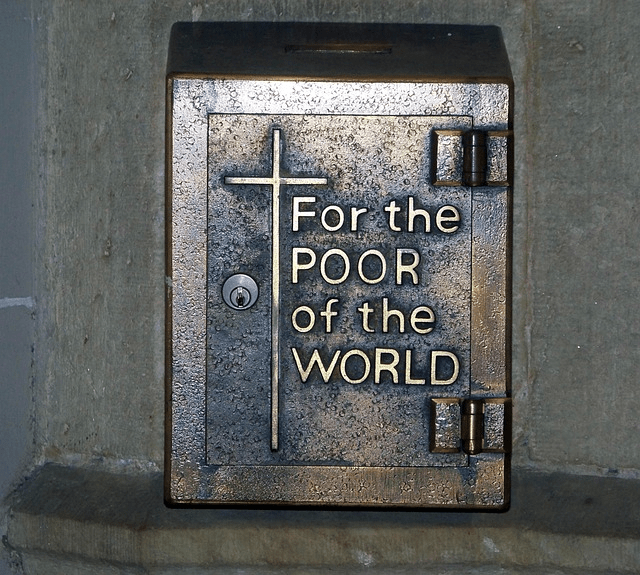
Traditionally, church giving has involved in-person methods like dropping cash or checks into an offering plate or donation box during services. These tangible acts of giving remain a meaningful part of worship. At the same time, modern technology has introduced digital giving options. Many churches now provide online giving pages, mobile apps, or even text-message giving for their congregations. Such platforms allow people to contribute anytime, not just on Sunday, which appeals especially to younger generations who are very comfortable with cashless payments. By offering both physical and digital ways to give, churches can meet everyone’s preferences and make participation in giving easier for all.

It’s important for church leaders to facilitate giving by making the process as convenient as possible. This means offering multiple easy avenues for donations and clear instructions on how to use them. For example, a church website can feature a prominent “Give” button or page with options to donate via credit card, PayPal, or bank transfer. Some churches set up giving kiosks or secure drop boxes on-site as well, to accommodate those who prefer in-person giving. When donating is just a click or text away, members are more likely to follow through on their generous intentions. Simplifying the process – like enabling automatic recurring donations – removes barriers and encourages people to give consistently.
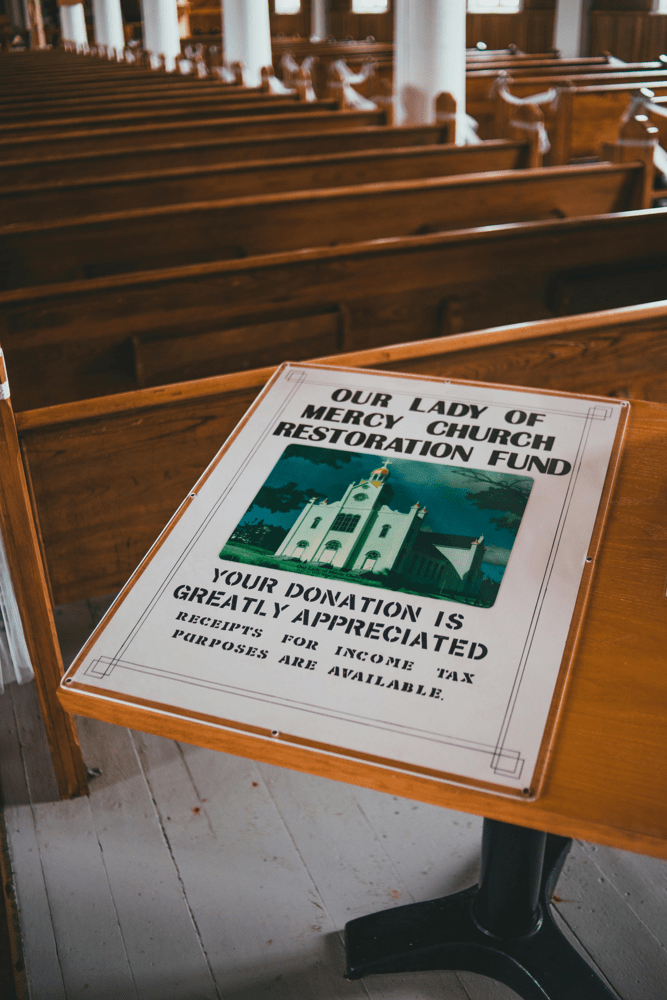
Church members are encouraged to continue giving when they can see the impact of their generosity. Pastors and leaders should regularly share updates about what donated money has achieved – whether it’s funding a building renovation, supporting a mission trip, or helping families in need. Showing tangible results builds trust and excitement. For example, sharing financial summaries or pictures of completed projects and stories of individuals who were blessed can vividly illustrate how giving makes a difference. People also appreciate knowing exactly where their money goes, so consider organizing special campaigns for specific projects (like a new youth center or sanctuary improvements) and report on their success. When the congregation sees progress and real outcomes from their contributions, it inspires them to give more, knowing their gifts truly matter.