Physical Address
304 North Cardinal St.
Dorchester Center, MA 02124
Physical Address
304 North Cardinal St.
Dorchester Center, MA 02124

Children thrive when they feel safe, loved, and free to explore the world around them. A supportive family, time for play, good friends, and a peaceful home environment all contribute deeply to a child’s joy. This post explores the key factors that truly uplift children and help them flourish.

Nothing matters more to a child than feeling secure and loved at home. A stable, caring family environment gives children confidence to grow. Activities like reading bedtime stories, playing together in the evening, or sharing simple meals build strong bonds and trust. When parents are affectionate and present – listening carefully and cheering on their child – kids feel valued. Knowing they are loved for who they are (not just for achievements) helps them feel truly happy and confident.
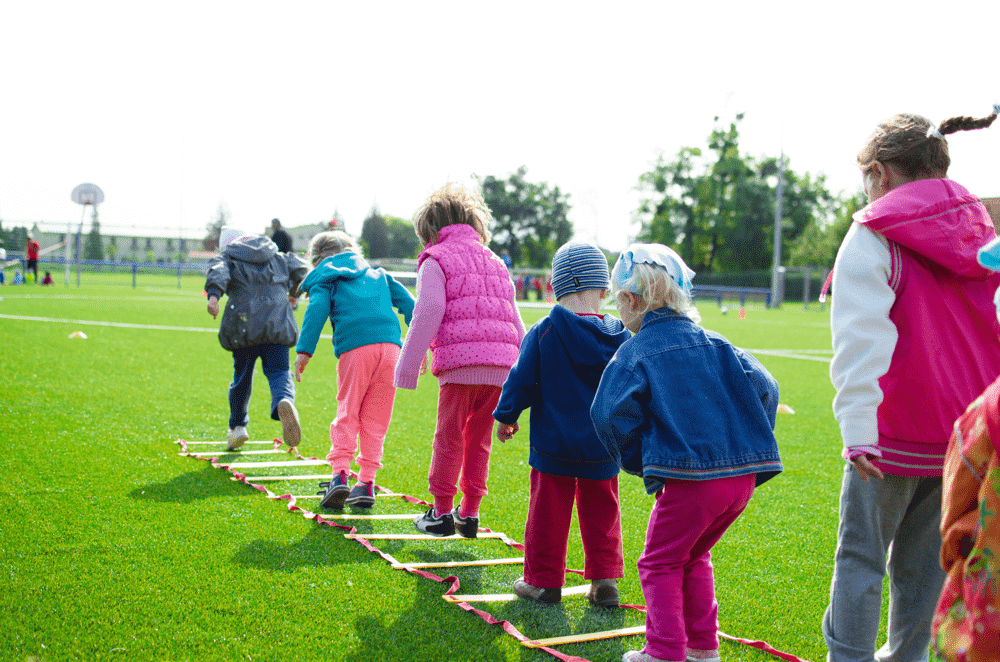
Play is a child’s natural language of joy and learning. Active play – running around in the park, building forts, or chasing bubbles – exercises their bodies and sparks laughter. Imaginative play (pretend games, drawing, or storytelling) lets kids practice problem-solving and creativity. When children have ample time and freedom to play (with safe toys or by exploring outdoors), they often feel happiest and most engaged with life.
Children also need help understanding their feelings. When parents openly talk about emotions and validate them, kids learn that it’s okay to feel sad, excited, frustrated, or scared. Comforting a child when they cry and helping them find words for those feelings builds emotional resilience. Celebrating small successes and praising effort (for example, learning a new skill or making a kind choice) reinforces a positive mindset. This kind of support helps children feel understood and valued, which boosts their happiness.

A peaceful, conflict-free home is essential for children’s happiness. When parents and caretakers manage stress calmly and avoid loud arguments, children feel much safer and more relaxed. Witnessing frequent shouting or tension can make a child anxious or sad, so keeping a calm tone and resolving problems quietly makes a big difference. Solving disagreements respectfully and reassuring children (for example, explaining that mom and dad still love each other) helps maintain a secure environment.
Children’s happiness extends beyond the home. Friendships, school, and community give them a sense of belonging. Playing with peers, having fun at school, and engaging in group activities (like sports or clubs) teach children social skills and create joyful memories. When children feel accepted by friends and supported by teachers, their confidence and happiness grow.
Meeting basic physical needs is also fundamental to happiness. A well-rested child with healthy meals and some exercise is generally in a better mood. Regular sleep schedules and good nutrition give children energy and stability. Allowing downtime and unstructured fun (not packing every hour with activities) ensures kids can relax and simply enjoy being children. All these contribute to a positive daily experience.
Children truly flourish when their home is loving and secure, when they have time to play and explore, and when they feel emotionally supported. A peaceful, low-stress environment and positive relationships (with family, friends, and community) are at the heart of a child’s joy. By focusing on love, trust, communication, and ample playful experiences, we help every child grow up happy and confident.